
Druids are nature-magic specialists who can change shape to meet different needs. They bring a rare mix of melee damage, ranged spellcasting, healing, and tanking, with each role tied to a different form and talent approach. That flexibility makes the Druid adaptable, but it also asks players to understand several toolkits and choose the right one for the moment.
How the Druid plays
The familiar talent trees are Balance, Feral, and Restoration. Balance focuses on ranged nature and arcane spells. Feral improves shapeshifting: Cat Form supports melee damage, while Bear Form gives the Druid a way to take hits and tank. Restoration specializes in healing. Druids use Mana for spells and shapeshifting; Cat Form also uses Energy, and Bear Form uses Rage. Form choice changes which abilities and resource matter, so planning your shift and keeping enough Mana can make a big difference.
Forms also provide practical tools, from traveling more easily to escaping or adapting during combat. Druids wear leather and have useful group abilities such as Mark of the Wild, Innervate, and Rebirth in Classic-era play. Their range of options is valuable in dungeons, raids, and solo play, though a character cannot fill every role at once. Talents, gear, encounter needs, and group composition all affect which job a Druid is best prepared to do.
Druids in groups and PvP
In groups, a Druid may tank with Bear Form, deal damage as a Cat or caster, or heal in Restoration. Communicate your role before an encounter, especially when switching between healing and another job. In PvP, shapeshifting helps a Druid respond to roots, slows, incoming pressure, and opportunities to attack or recover. Managing forms, Mana, and positioning is central to making that flexibility count.
Druid in WoW Forever
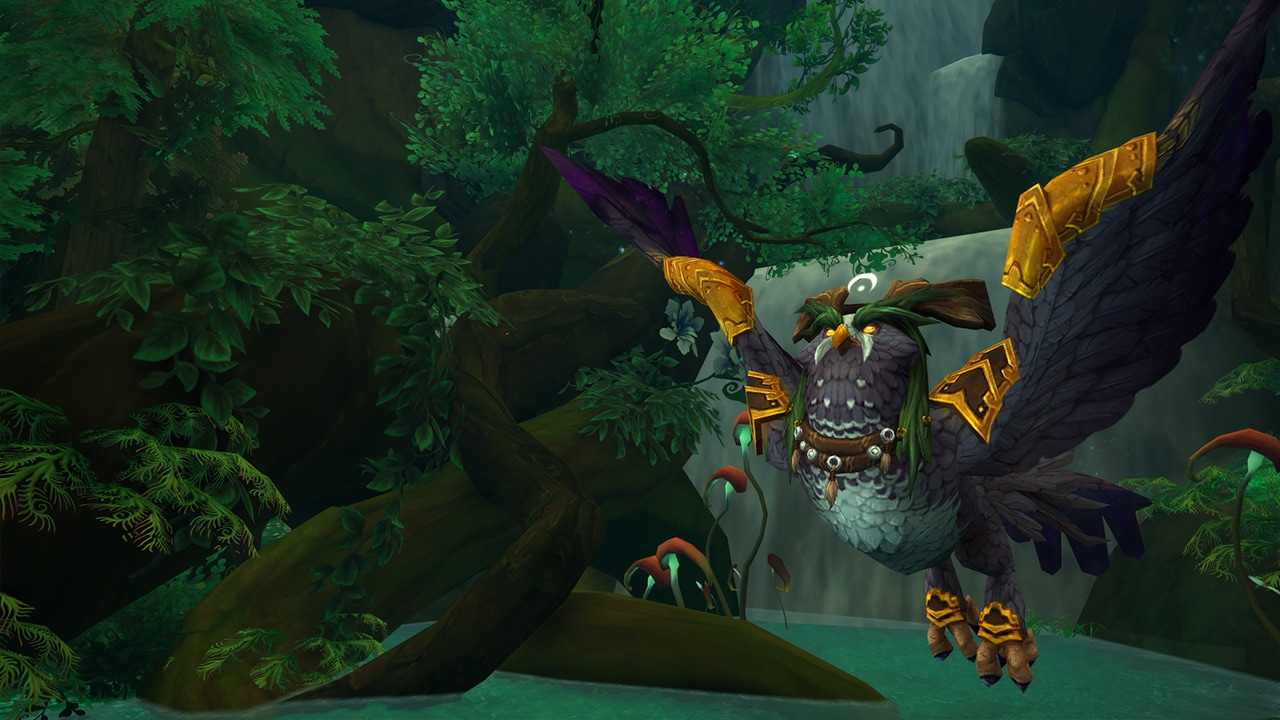
Blizzard has confirmed that Skyborne characters of either faction can be Druids, with forms designed specifically for the race. The What’s Next panel also discussed Skyborne racial abilities and visual customization; check the beta or later official updates for final names, appearances, and details.
The Forever Deep Dive sets broader talent goals rather than publishing a final Druid tree: all 27 trees are intended to be viable in groups, selected class buffs move into the baseline kit, and talent milestones include 11, 16, 21, and 31 points in a tree. Those goals do not guarantee identical strength or confirm every Druid change. Check current beta tooltips for exact talents, spell values, and tuning.
Explore the Skyborne guide and the race and class compatibility guide for race options.
Related guides
Plan your build with the WoW Forever Talents hub, compare hybrid support with the Shaman, and return to the Classes hub.
Official sources: Blizzard’s WoW Forever Deep Dive, What’s Next recap, and WoW Classic first-steps guide.
September 24, 2026 beta update
Blizzard’s beta notes report that Rejuvenation, Tranquility, and Restoration Wild Growth can critically heal. Wrath’s base damage is increased by about 50%. Thorns now uses the caster’s spell power dynamically, with a fallback to its base value when the caster is unavailable or too far away. Feral Mangle has been renamed Primal Bite, and the related talent is renamed Blood Frenzy; Cat Form Feral Charge can no longer be cast on allies. These are beta changes, not final class guidance.
Source: Blizzard’s WoW Forever Beta Development Notes, September 24, 2026.
Cooldown manager and gamepad testing
Druid is one of five classes with the new cooldown manager available for beta testing. It is off by default and can be enabled under Options > Gameplay Enhancement. Spell-rank support is not available yet, and Blizzard is asking testers which spells should be tracked by default. On gamepad, Druid forms are available through an action-bar flyout. Gamepad options are labeled alpha.